
Sash Windows
in Chester, Deeside
& North Wales
Vertical sliding sash windows that keep the proportions of a period property and drop the draughts — deep bottom rails, run-through horns and A-rated glass, fitted by a small, owner-led team with 30+ years' experience.
Sash Windows — the honest version
What it is
A sash window slides vertically rather than swinging open. We fit modern uPVC vertical sliders engineered to read as timber — deep bottom rails, correct meeting-rail alignment, run-through sash horns and slim astragal bars — with spiral or spring balances and A-rated sealed units behind the period detail.
Who it's for
Owners of Victorian, Edwardian and Georgian-style properties across Chester and the older streets of Flint, Mold and Wrexham, plus anyone whose original timber sashes have rotted, stuck, rattled or been painted shut over the decades.
When to book it
Book a survey if the sashes rattle in the wind, the cords have snapped, the frames are soft at the bottom rail, paint has sealed the window shut, or you're heating a room that never gets warm because the glazing is still single-pane.
Why it matters who fits it
Most replacement sashes fail on proportion. Get the bottom rail depth, meeting rail height or horn detail wrong and the window looks plastic from the street, however good the glass is. We spec the detail at survey and register the install with Assure.
What happens if you leave it — and what most people get wrong
Original timber sashes were built to be maintained. When that maintenance stops for twenty years, the failures compound quickly.
- •Rotten bottom rails and cills let water track behind the reveal and soften the wall internally.
- •Snapped cords and seized pulleys leave sashes jammed shut — a serious problem in a first-floor bedroom that needs to open.
- •Loose sashes rattle in wind and let a constant draught past the meeting rail, so the room never holds heat.
- •Single glazing sits around 4.8 W/m²K, which is why period rooms cost so much to heat and suffer heavy condensation.
- •Old sash fasteners are trivially easy to slip from outside, and many original windows have no other lock at all.
- •Fitting a standard casement into a sash opening — it destroys the proportions of the elevation permanently.
- •Accepting a vertical slider with a shallow bottom rail or no horns, which is what makes replacements look wrong.
- •Assuming every period property is listed or in a conservation area, or assuming it isn't — both need checking before you order.
- •Ignoring the meeting rail line across a terrace, so one house sits visibly out of step with its neighbours.
- •Choosing a system with no tilt facility, then trying to clean first-floor sashes from a ladder for the next twenty years.
Five steps, no surprises
Every install runs the same way. It's how we hit 3-week lead times on standard jobs and 48-hour survey turnaround.
Free On-Site Survey
We come out within 48 hours of your enquiry, measure every aperture accurately and check reveals, sills, lintels and drainage. No pressure, no gimmicks.
Written, Itemised Quote
You get a fully itemised quote — profile system, glass spec, colour, hardware and finish. Composite doors back in 24 hours, windows typically within 3 days.
Order & Manufacture
Once approved, we place the order with our trade suppliers. Standard windows and doors run ~3 weeks, bespoke items 4–5 weeks. Stock composite doors 7–10 days.
Expert Installation
Our own installers fit every job. Frames set square and plumb, sealed with low-modulus silicone and expanding foam, internal beading, no drafts or gaps.
Testing & Handover
Every window and door is tested for operation, locking and seal. Site left clean, old frames removed, care advice given, guarantees registered with Assure.
What you actually get — not marketing talk
Period Proportions Kept
Deep bottom rails, correct meeting-rail height and run-through horns so the window reads as timber from the pavement.
Draughts Gone
Brush-pile and gasket sealing on both sashes removes the rattle and the constant cold draught across the room.
A-Rated Glazing
Argon-filled, warm-edge, low-e units bring the opening from around 4.8 W/m²K down to 1.2 or better.
Tilt-In Cleaning
Both sashes tilt inwards so first-floor windows are cleaned safely from inside the room — no ladders.
Proper Locking
Multi-point sash locks and restrictors instead of a single original fastener, with PAS 24 tested hardware.
Near-Zero Maintenance
No sanding, no repainting, no cords to replace. Woodgrain foils hold their finish for decades.
How we spec & fit sash windows
A vertical slider is judged on detail. The rail depths, the horn profile, the bar widths and the balance specification are what separate a convincing sash from an obvious plastic replacement.
Materials & systems
Spectus Vertical Slider
British-made system with deep bottom rail and authentic sightlines. Our first choice where the elevation is on show and the proportions have to be right.
Eurocell Charisma-Style Sliders
Multi-chambered uPVC with strong thermal performance and a wide foil range, suited to rear elevations and less sensitive frontages.
Woodgrain Foil Finishes
Irish oak, rosewood, cream, chartwell green, grey and white, with dual-colour available so you can run a woodgrain outside and white inside.
Balances & Hardware
Spiral or spring balances specified to the actual sash weight, plus sash fasteners, lifts and restrictors in chrome, brass, black or white.
A-Rated Sealed Units
Argon-filled, warm-edge spacer, low-e coating, with toughened or laminated glass where the opening requires it.
How we install
- Bottom rail depth, meeting rail height and horn style are agreed at survey against the existing window and the neighbouring properties.
- Balances sized to the weight of each finished sash so both sashes stay exactly where you leave them.
- Frames fixed into the structural opening with expanding frame fixings, never nailed through the outer skin.
- Brush-pile seals set on both sashes and the meeting rail to kill the rattle and the draught.
- Low-modulus silicone externally, expanding foam internally, drainage slots kept clear and cill ends sealed.
- Astragal or Georgian bars aligned across every window on the elevation so the bar lines run true house-wide.
Variations & options
Fully Sliding Sash
Both sashes slide and tilt. The most faithful to the original and the right answer on a front elevation.
Mock Sash
A fixed top sash with a sliding bottom, used where budget matters and the top sash was never opened anyway.
Run-Through Horns
The projecting detail below the top sash on Victorian and Edwardian windows. Optional but usually what makes the replacement convincing.
Georgian Bar Layouts
Six-over-six, three-over-three, two-over-two and margin-bar arrangements matched to the period of the house.
Sash Bay Windows
Reinforced with steel or aluminium load-bearing mullions and corner posts, common on Victorian bays around Chester and Hoole.
Arched & Shaped Heads
Bespoke curved heads to match original stone or brick arches rather than squaring off the opening.
Situations we typically fit this for
- Victorian and Edwardian terraces where the original timber sashes have rotted at the bottom rail.
- Properties where sashes have been painted shut and no longer open at all.
- Front elevations in conservation-sensitive streets that need the proportions kept exactly.
- Rear elevations where a mock sash keeps the look consistent at lower cost.
- Bay windows needing structural reinforcement alongside the sash replacement.
- Rental properties in older housing stock needing an EPC lift without altering the street scene.
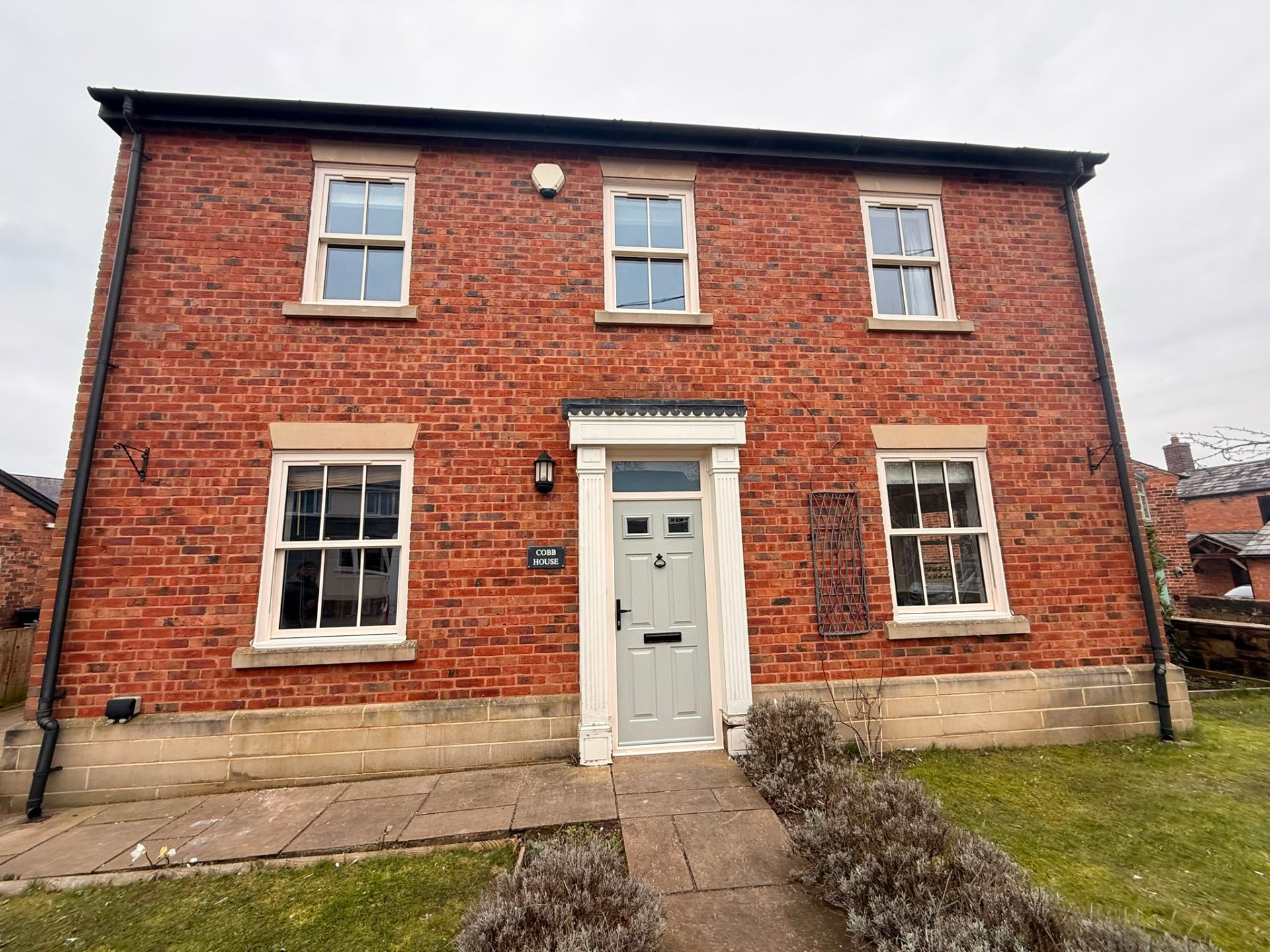
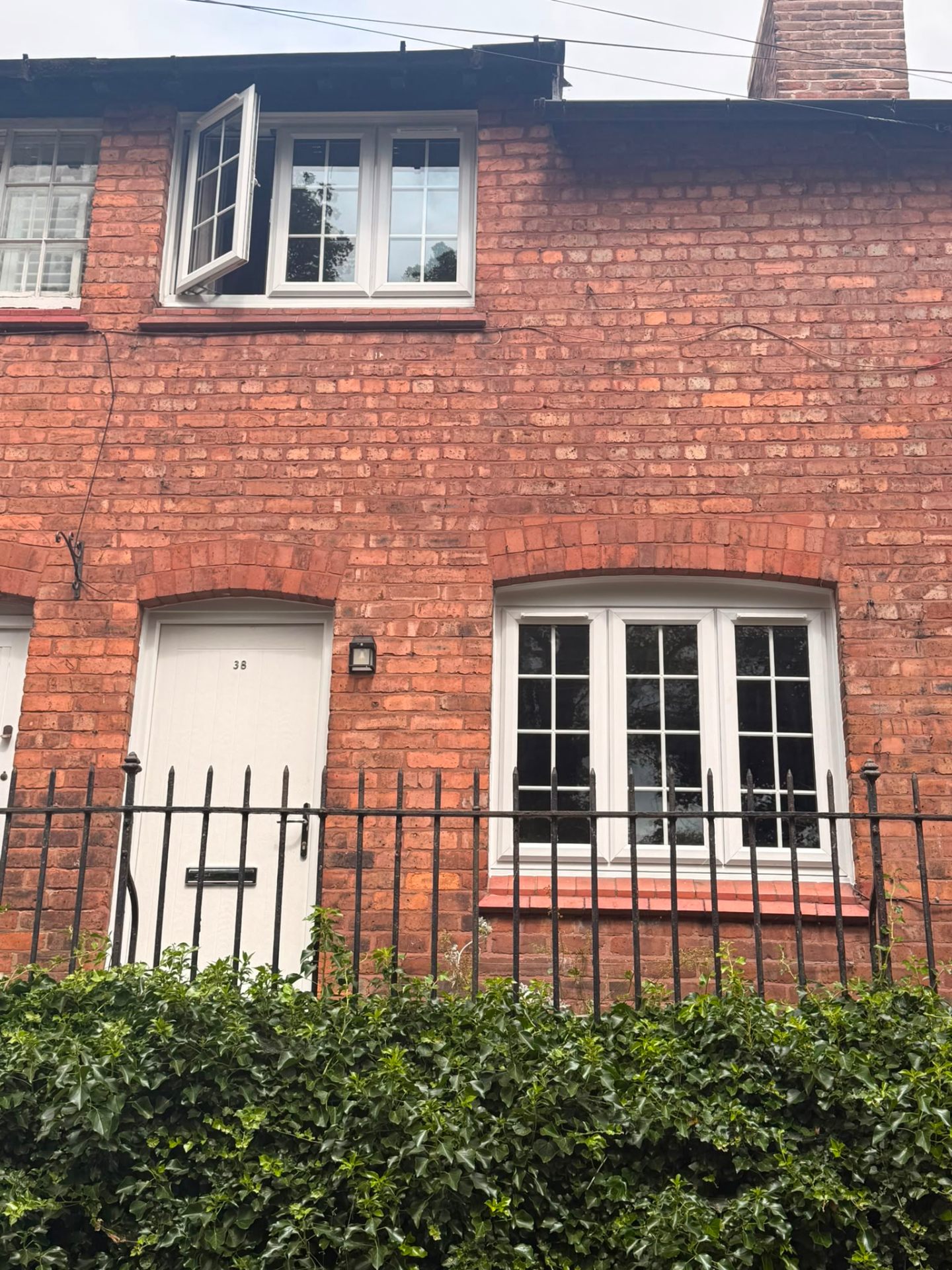
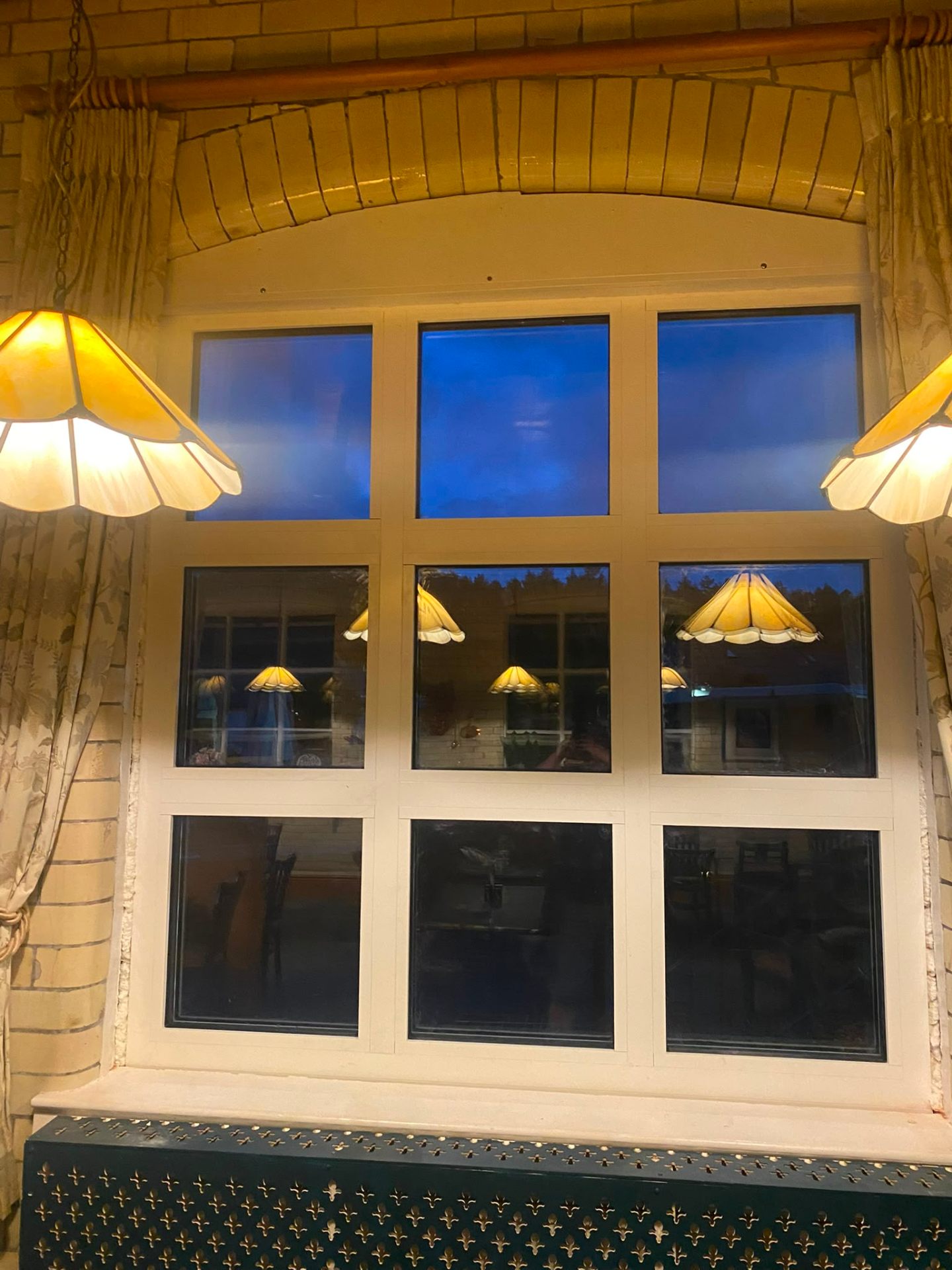
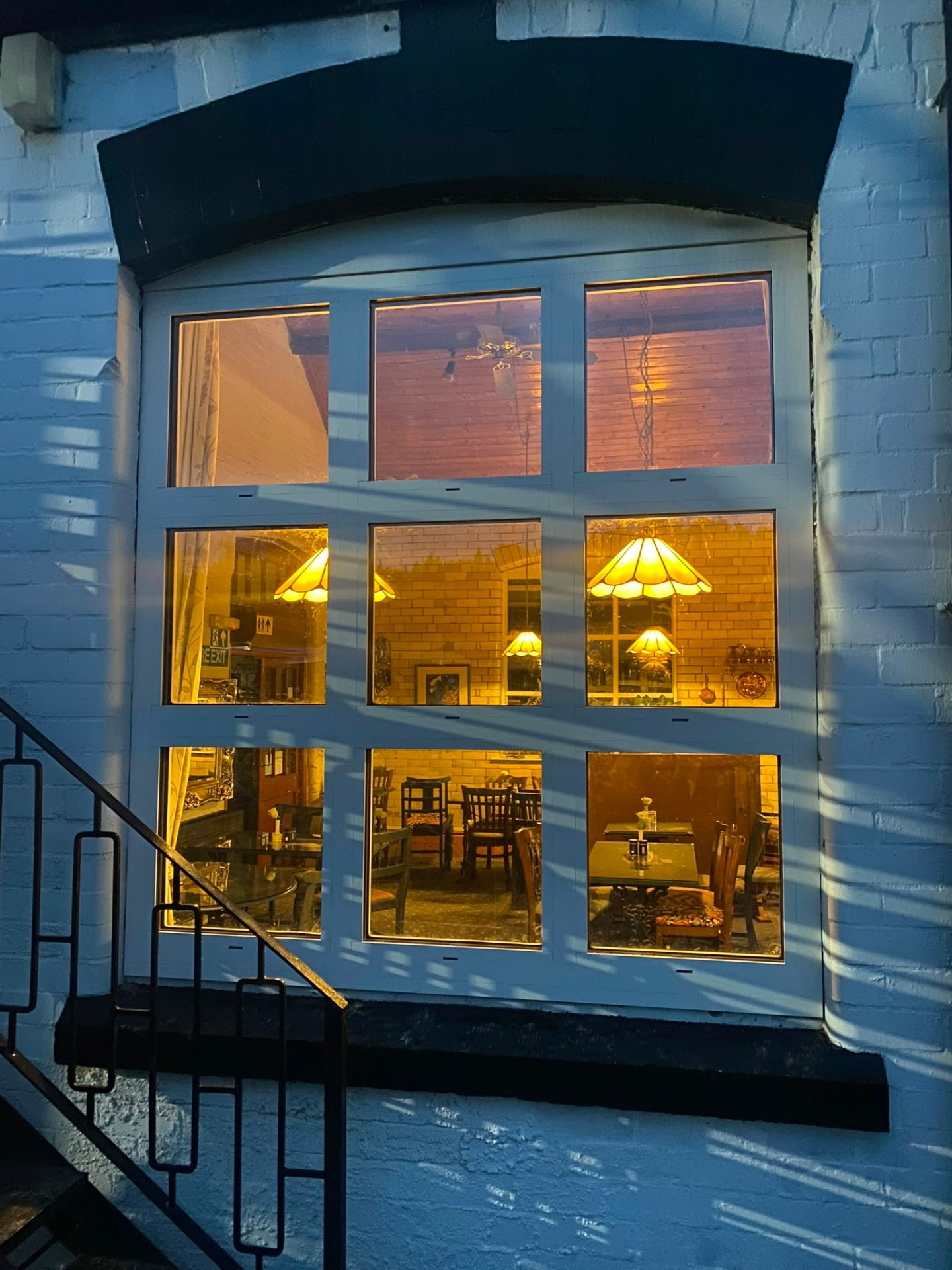
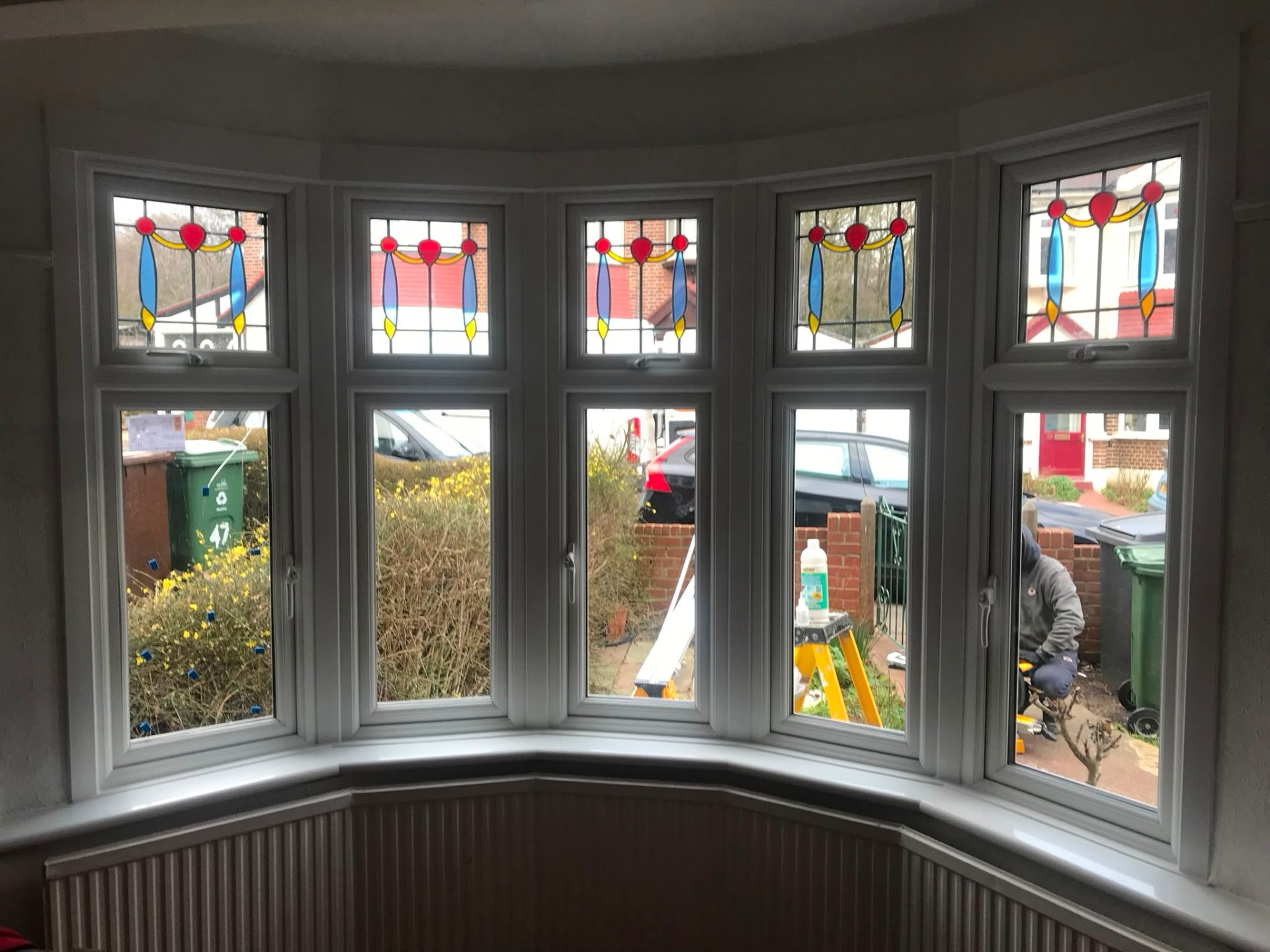
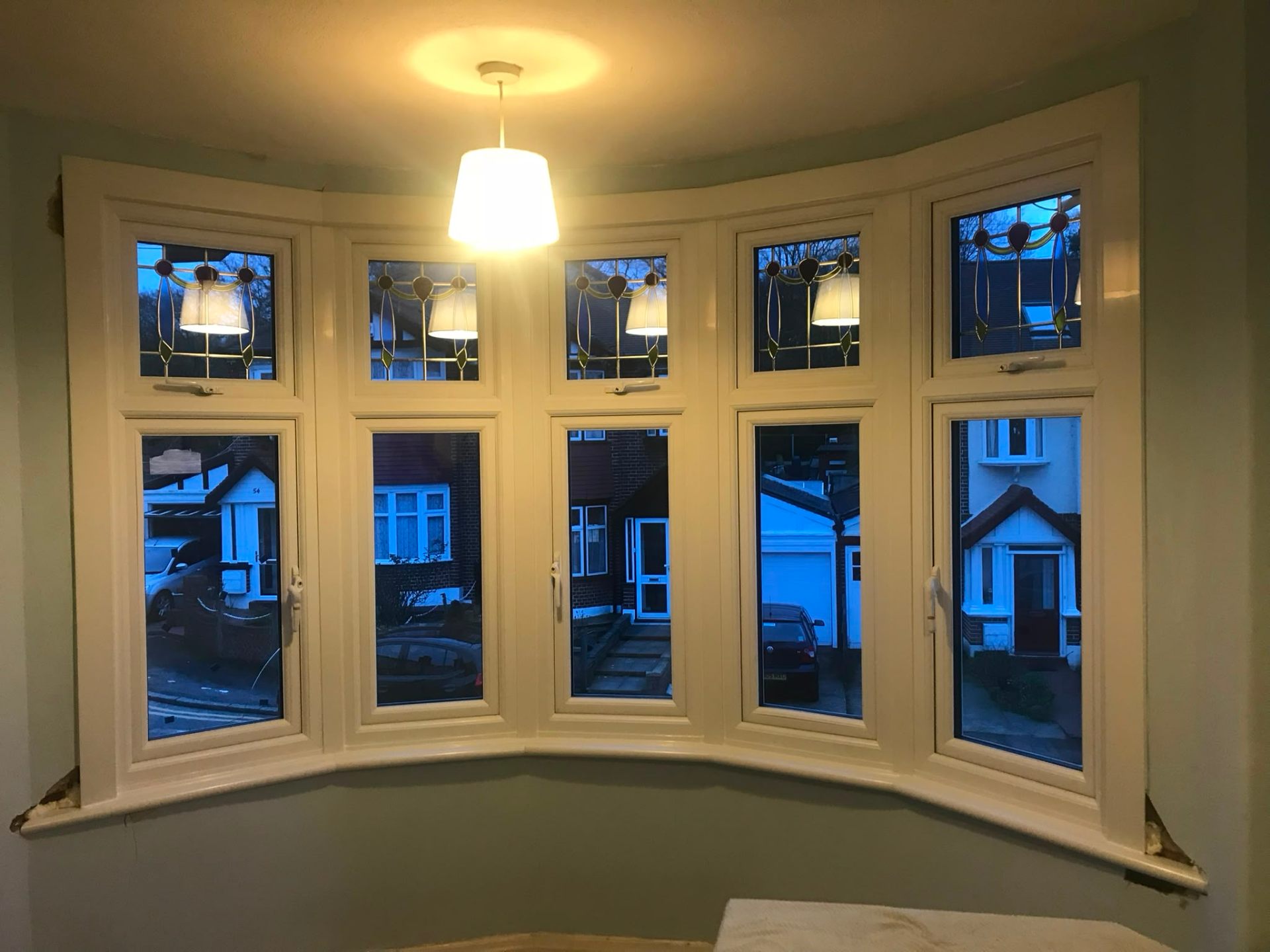
Sash Windows we've fitted across Chester & North Wales
Real jobs — measured, ordered and fitted by our own team.
Sash Windows — your questions answered
How much do sash windows cost in Chester?
+
Vertical sliders cost more than standard casements because of the balances and the extra detail, and the figure depends on size, bar layout, horns, colour and glass. We survey free and give you a written, itemised quote — no headline pricing, no pressure.
Will uPVC sash windows look like the original timber?
+
If the detail is specified properly, yes. Deep bottom rail, correct meeting rail height, run-through horns and the right bar width are what matter. We agree all of it at survey against your existing windows and the neighbouring houses.
Can I fit uPVC sash windows in a conservation area?
+
Sometimes, and it depends entirely on the local authority and whether the property is listed. We'll tell you honestly at survey if we think permission is needed — we won't quote for something you can't lawfully install.
Do the sashes tilt in for cleaning?
+
On our fully sliding systems, yes — both sashes tilt inwards so you can clean first-floor windows safely from inside the room.
What is the difference between a fully sliding and a mock sash?
+
A fully sliding sash has two operable sashes; a mock sash has a fixed top and a sliding bottom. Mock sashes cost less and look identical from outside, so they suit rear elevations and windows where the top sash never opened.
Will new sash windows stop the rattling and draughts?
+
Yes. The rattle comes from loose sashes with no seal. Modern sliders use brush-pile seals on both sashes and the meeting rail, which removes the movement and the draught together.
How long do sash windows take to make and fit?
+
Vertical sliders are usually 4–5 weeks from order because of the bespoke detail. Fitting is typically 2–3 days for a full house, working room by room so the property stays secure overnight.
What guarantee comes with sash windows?
+
10 years on the frames, 5 years on the sealed glass units and 1 year on ironmongery, all backed by an Insurance-Backed Guarantee through Assure that transfers with the property.
Do the balances need adjusting over time?
+
Rarely, if they were sized correctly to the sash weight in the first place. Spiral balances can be re-tensioned if a sash starts to creep, which is a quick service visit rather than a replacement.
Do you fit sash windows across North Wales?
+
Yes — Chester, Ewloe, Buckley, Mold, Deeside, Flint, Wrexham, Ellesmere Port, Neston and the surrounding villages.
Get a Written Quote for Your Sash Windows
Free on-site survey within 48 hours, where we agree rail depths, horns and bar layout before anything is ordered. Written, itemised quote to follow.
Other things we fit for homes across the region
Fitted across Chester, Deeside & North Wales
Small, owner-led installer based in Ewloe, roughly 30 miles across the border into North Wales and Cheshire. Prefer a chat first? Call 01244 740219 or book a free survey.